🌍 Free shipping on orders above £100 Within United Kingdom (UK)

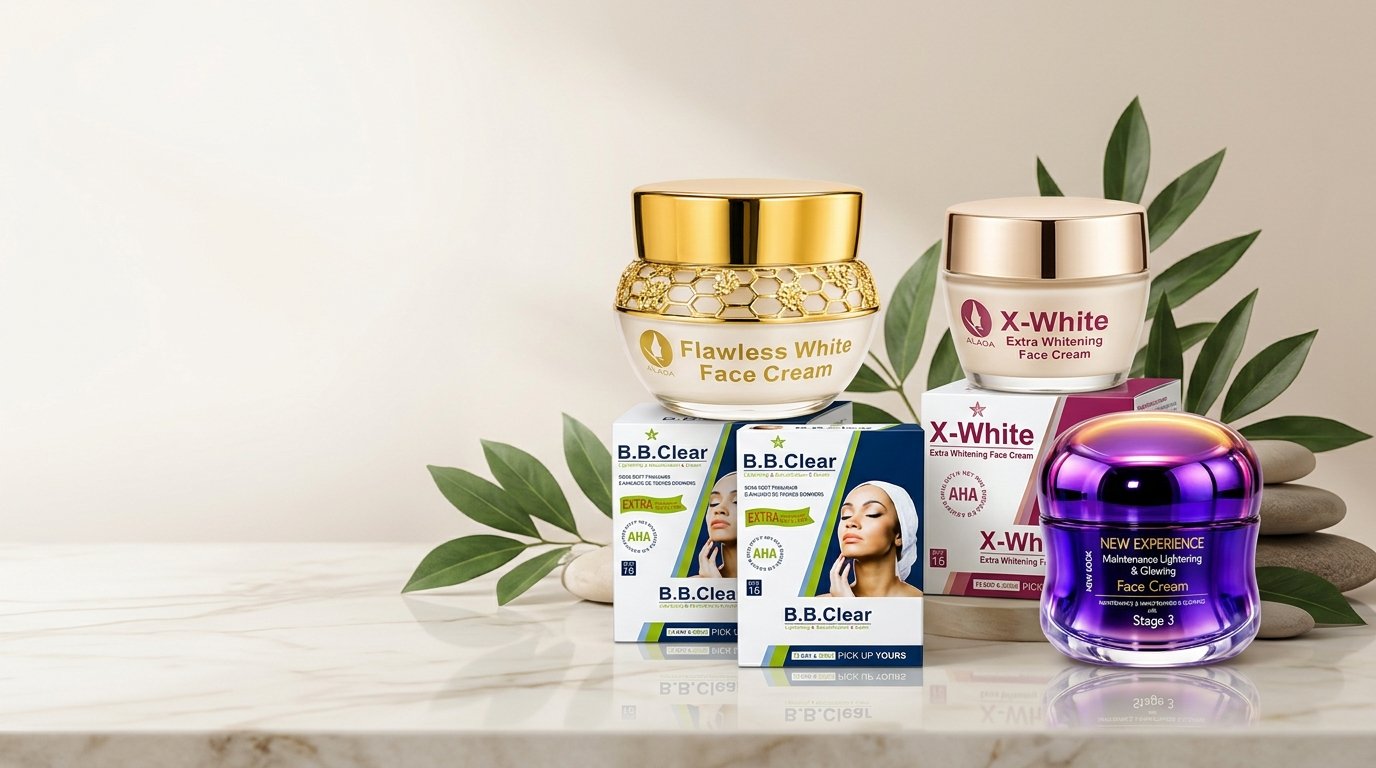
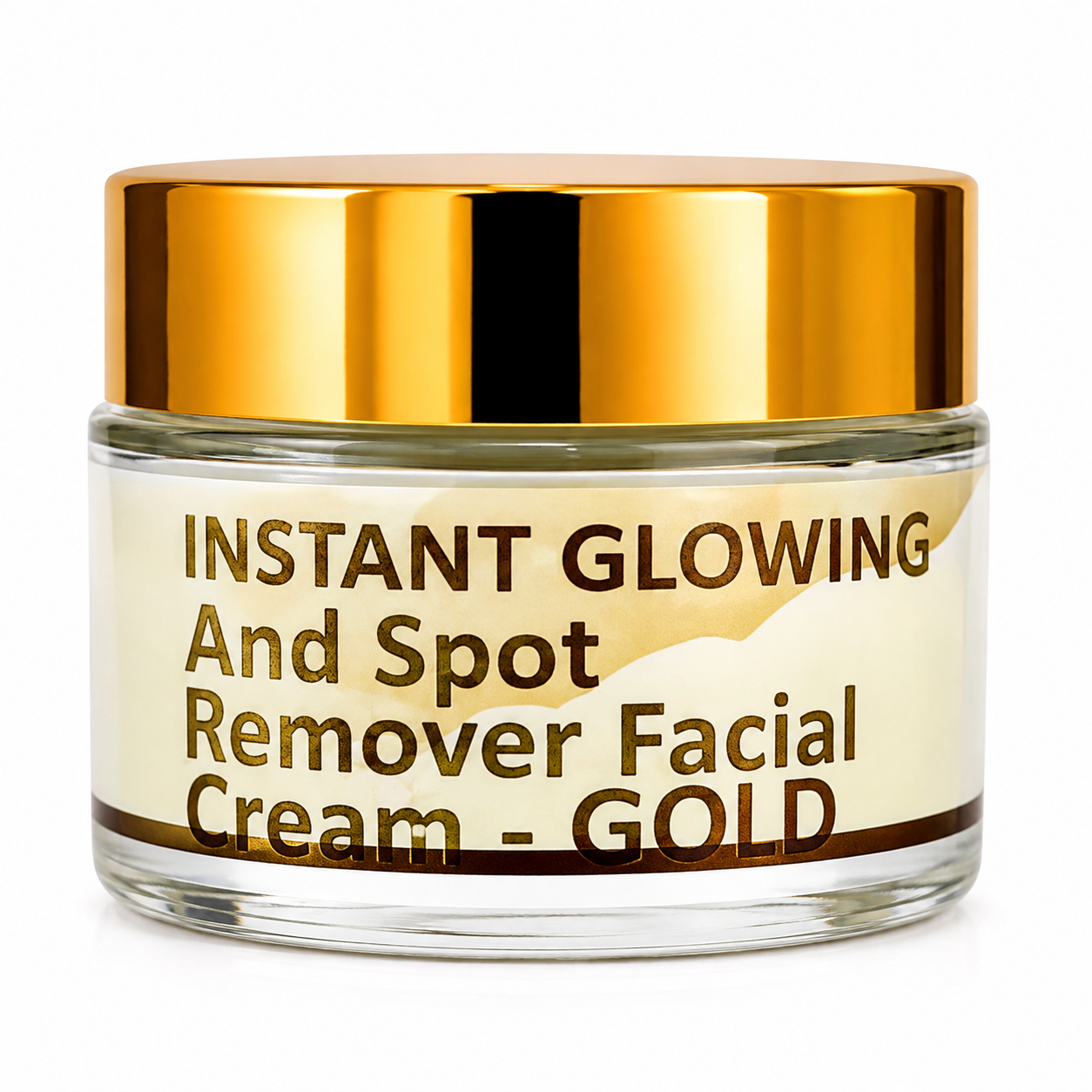
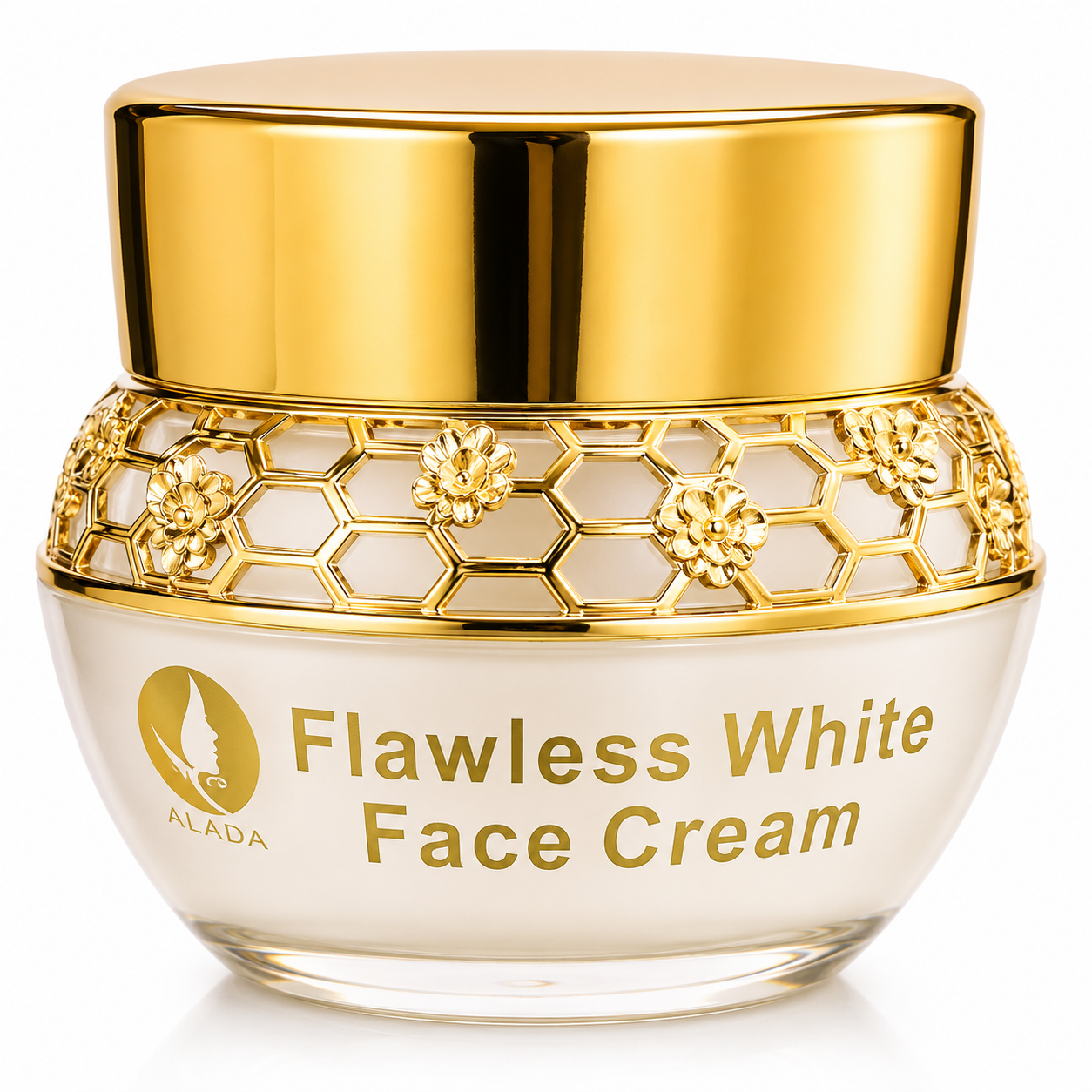
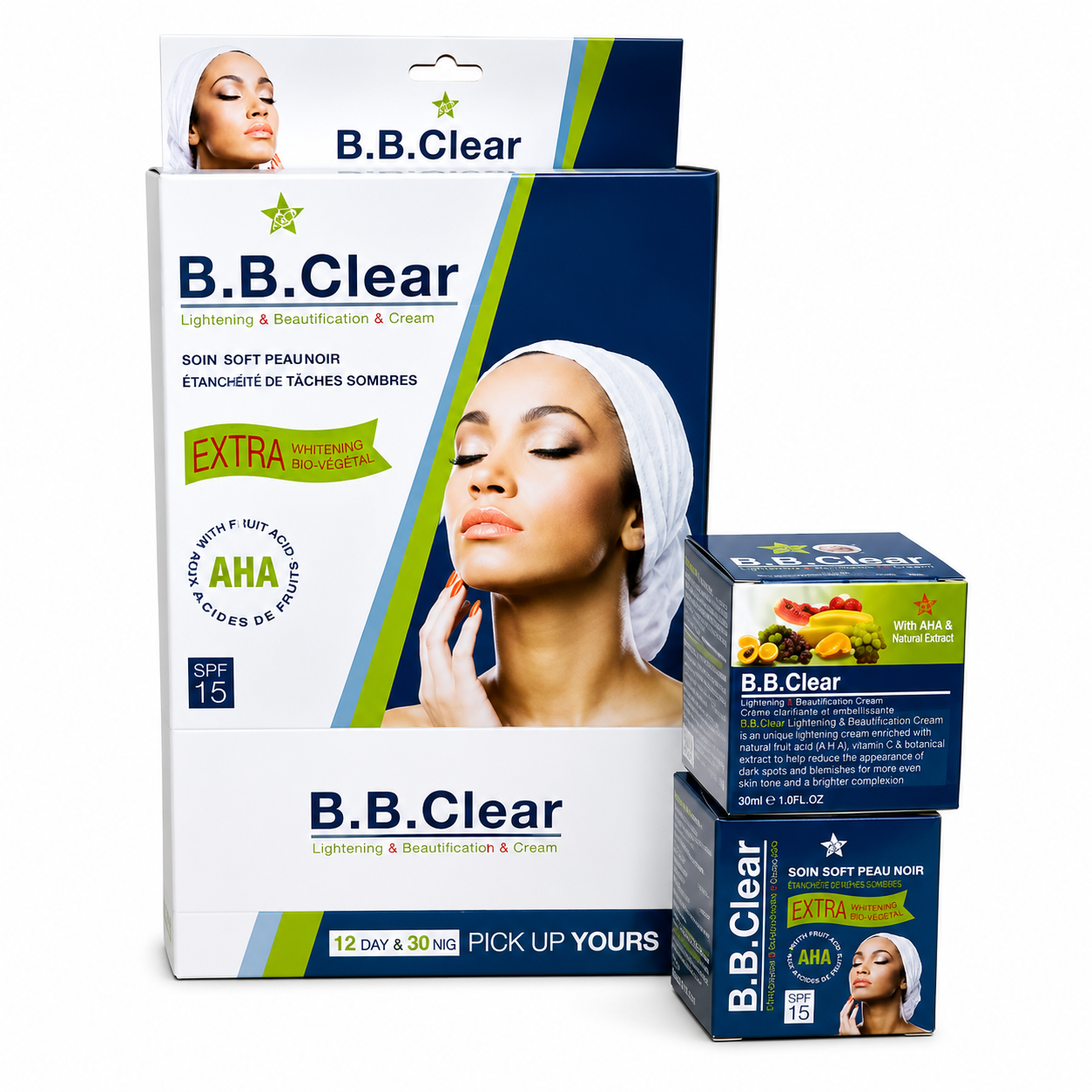
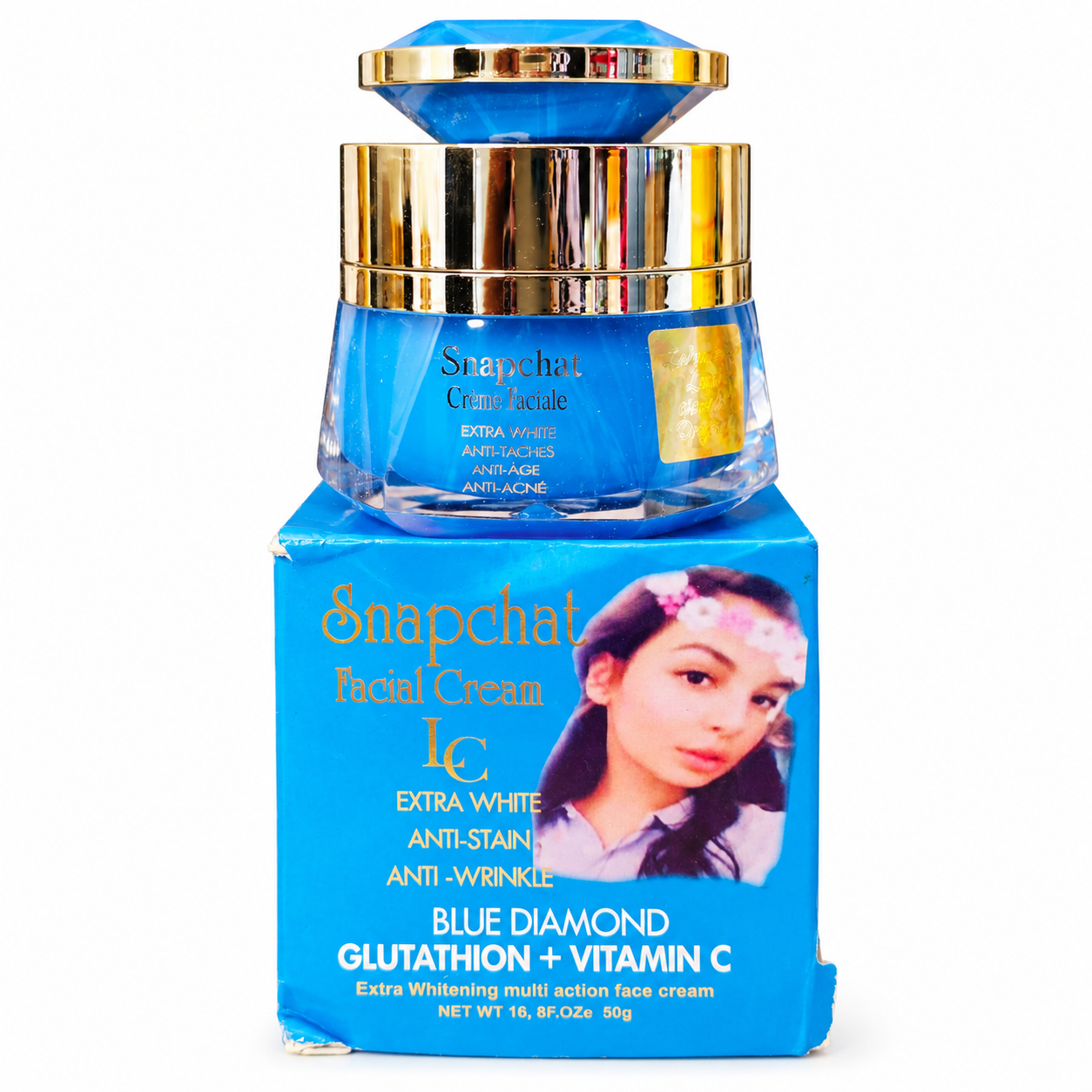
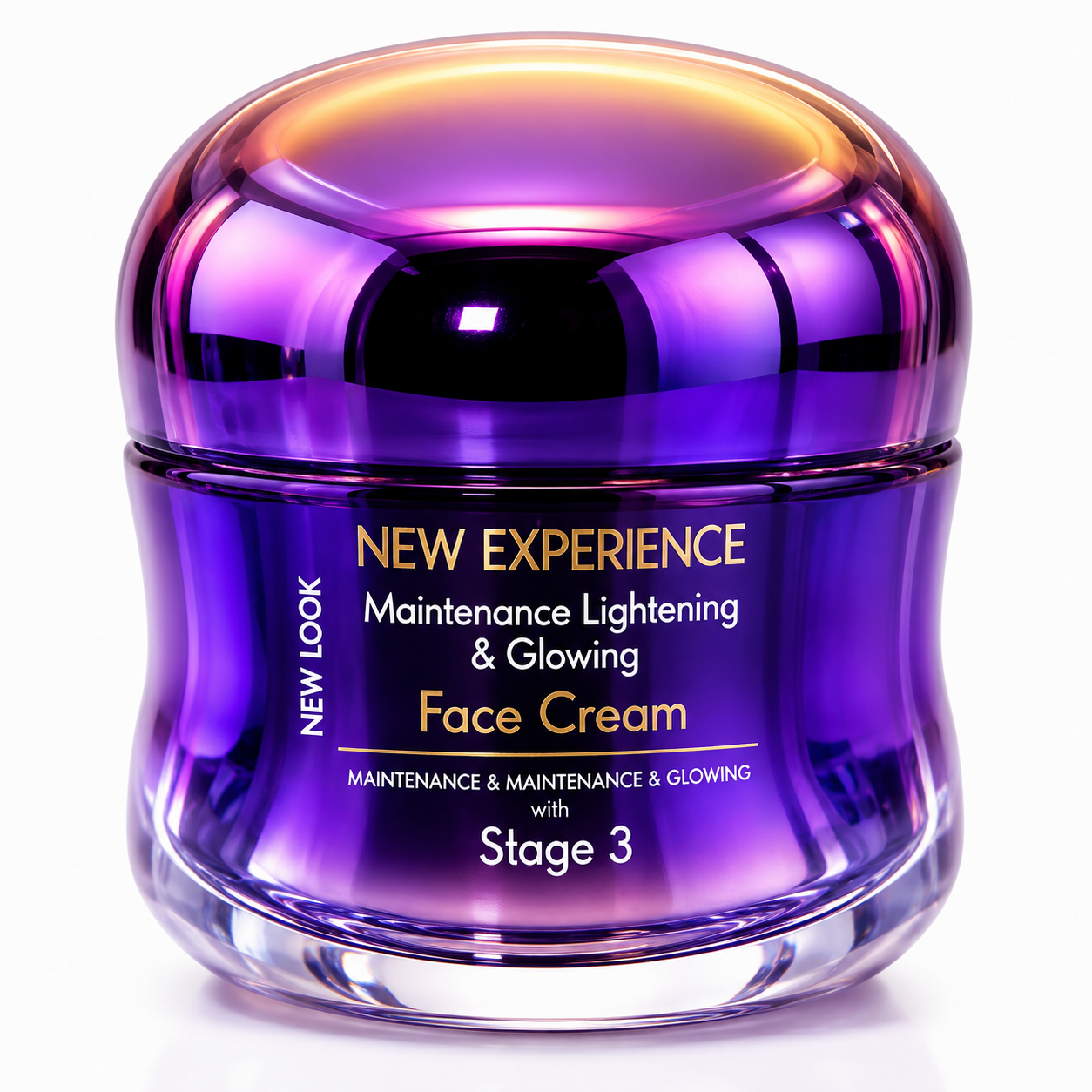
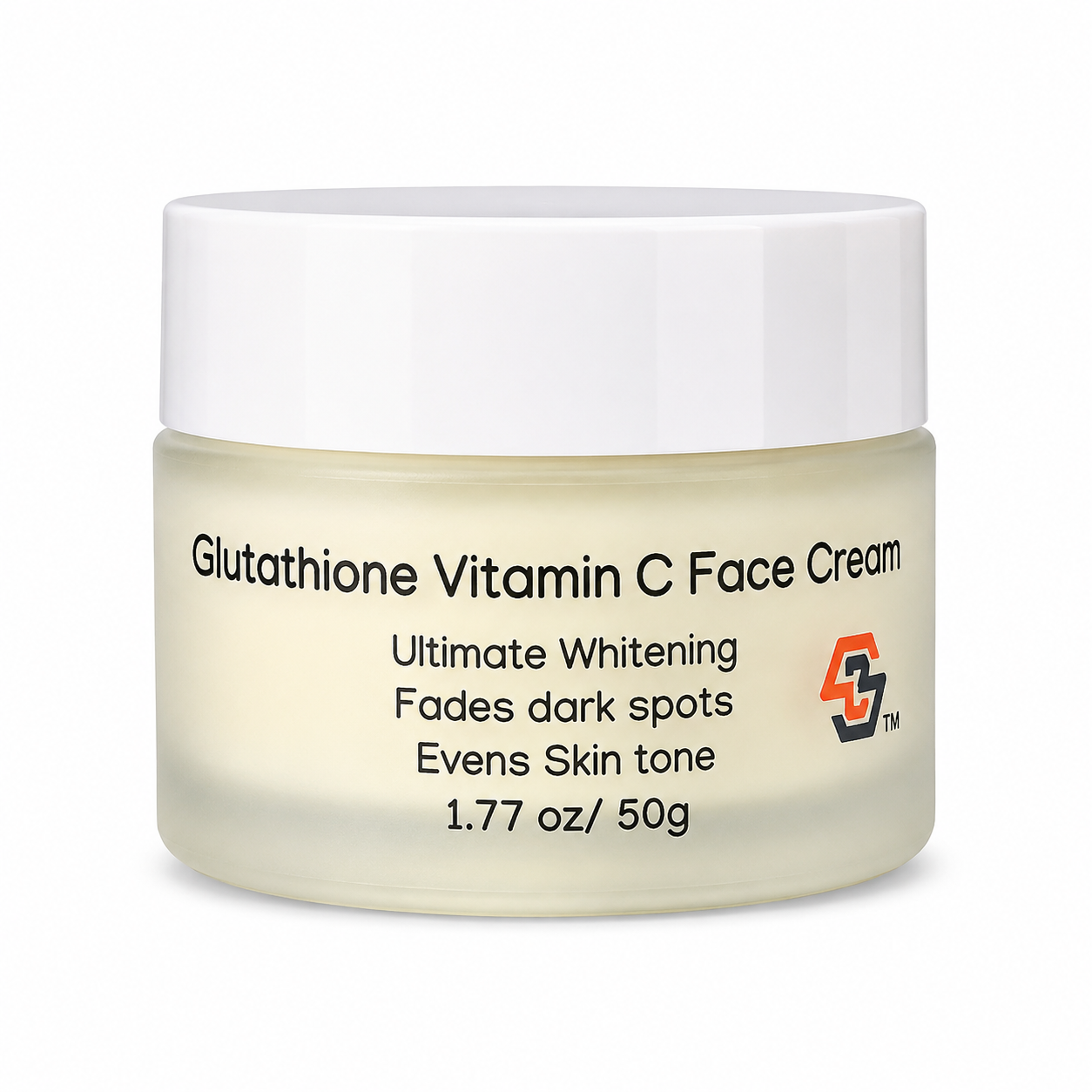
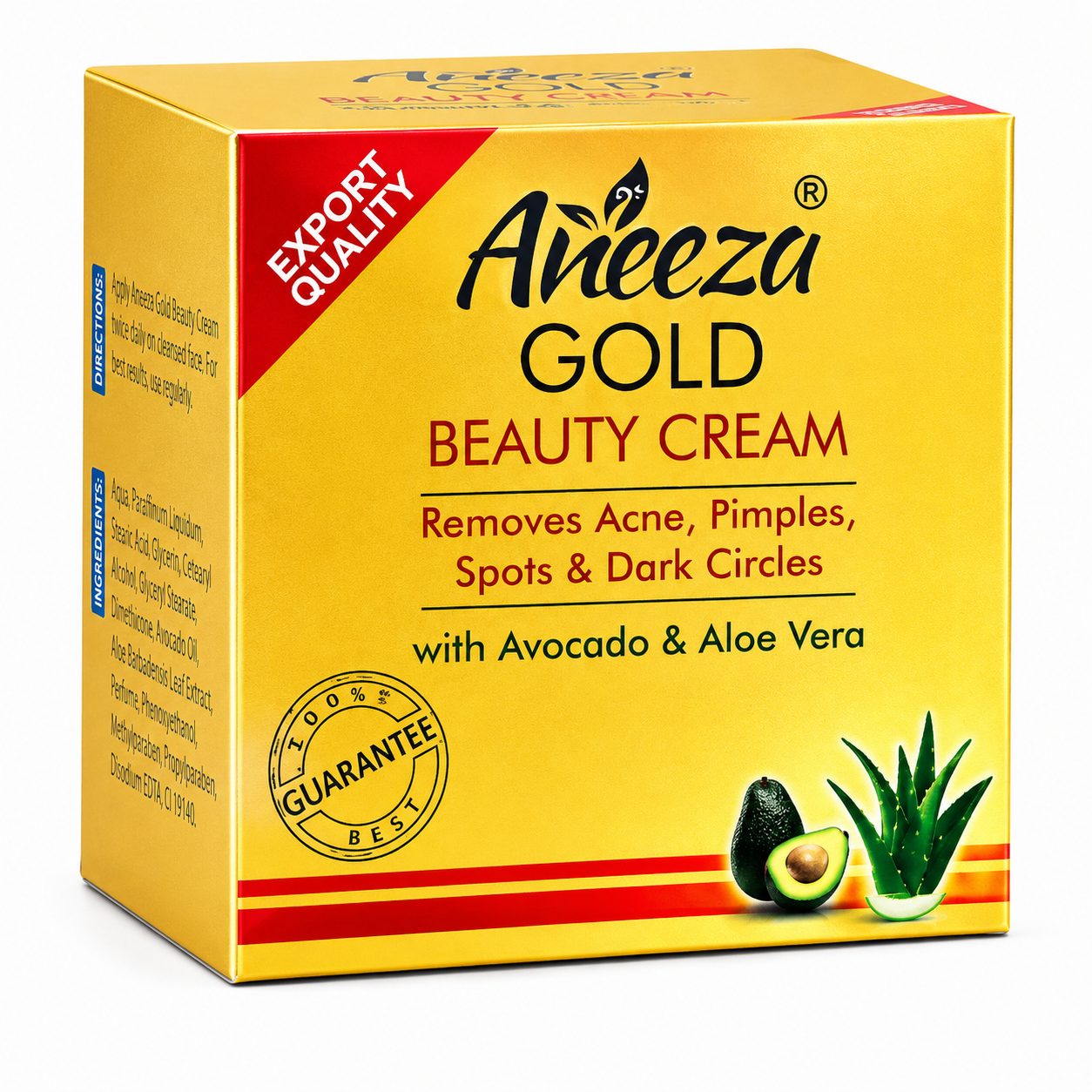
A brightening face cream combines daily moisture with an active brightening treatment in a single step, making it the simplest way to work on dark spots and uneven tone without adding an extra product to your routine. It suits anyone who wants one product rather than a multi-step routine, and works well for all skin types used daily, morning or evening. Our range uses actives such as alpha arbutin, kojic acid and vitamin C to target uneven tone while keeping skin comfortably moisturised. Used consistently, most people notice a gradual improvement in tone and texture over several weeks, rather than an instant change.

Face Cream or Serum — Which Do You Need

Serums and creams both play a role in a brightening routine, but they serve slightly different purposes. A serum carries a higher concentration of active ingredients in a lighter, faster-absorbing texture, making it well suited to targeting a specific concern before the rest of your routine. A face cream combines a lower concentration of actives with a moisturising base, which makes it a simpler, single-step option, and often more comfortable for dry or mature skin that needs extra moisture alongside treatment. If you want the best of both, use a serum first on clean skin, then follow with a cream to seal in moisture and lock in the treatment. Browse our brightening serums if you'd like a more concentrated option to layer underneath.

Comparison showing differences between face cream and serum textures

Our Brightening Face Cream Range

13 products

Filters

Currency

Sort By

Min - Max Price

£0 £

Availability

Category

Region

✦

The Face Creams Guide

Everything You Need to Know About Face Creams

Expert advice, ingredient insights and routine tips to help you choose the right products with confidence.

Choosing by Skin Type

Dry Skin

Dry skin benefits from a richer, more emollient face cream that treats uneven tone without stripping moisture. Look for a formula that pairs brightening actives with nourishing ingredients, and apply it both morning and night. If your skin still feels tight after cleansing, layer a hydrating toner underneath first.

Oily and Combination Skin

Oily and combination skin does better with a lighter, non-greasy cream that won't feel heavy or contribute to shine. Choose a gel-based or lightweight lotion-style formula, and apply a thin layer rather than a thick one. These textures absorb quickly and leave a comfortable, matte-leaning finish.

Sensitive Skin

Sensitive skin should start with a gentler formula and be introduced gradually, applying every other day at first to check tolerance. Patch test any new cream on a small area before using it on your face, and stop use if you notice redness or irritation. Fragrance-free options are usually the safest starting point.

Mature Skin

Mature skin often benefits from a richer face cream that combines brightening actives with added moisture and nourishing ingredients, since skin can become drier with age. Apply generously both morning and night, and give it time, since results on mature skin can take a little longer to show. Consistency matters more than quantity.

Normal Skin

Normal skin has the most flexibility, so most formulas in this range will work well. Choose based on the finish you prefer and the actives you want to focus on, whether that's overall brightening or targeting specific marks. A daily, twice-a-day routine will give the most consistent results over time.

How to Apply for Best Results

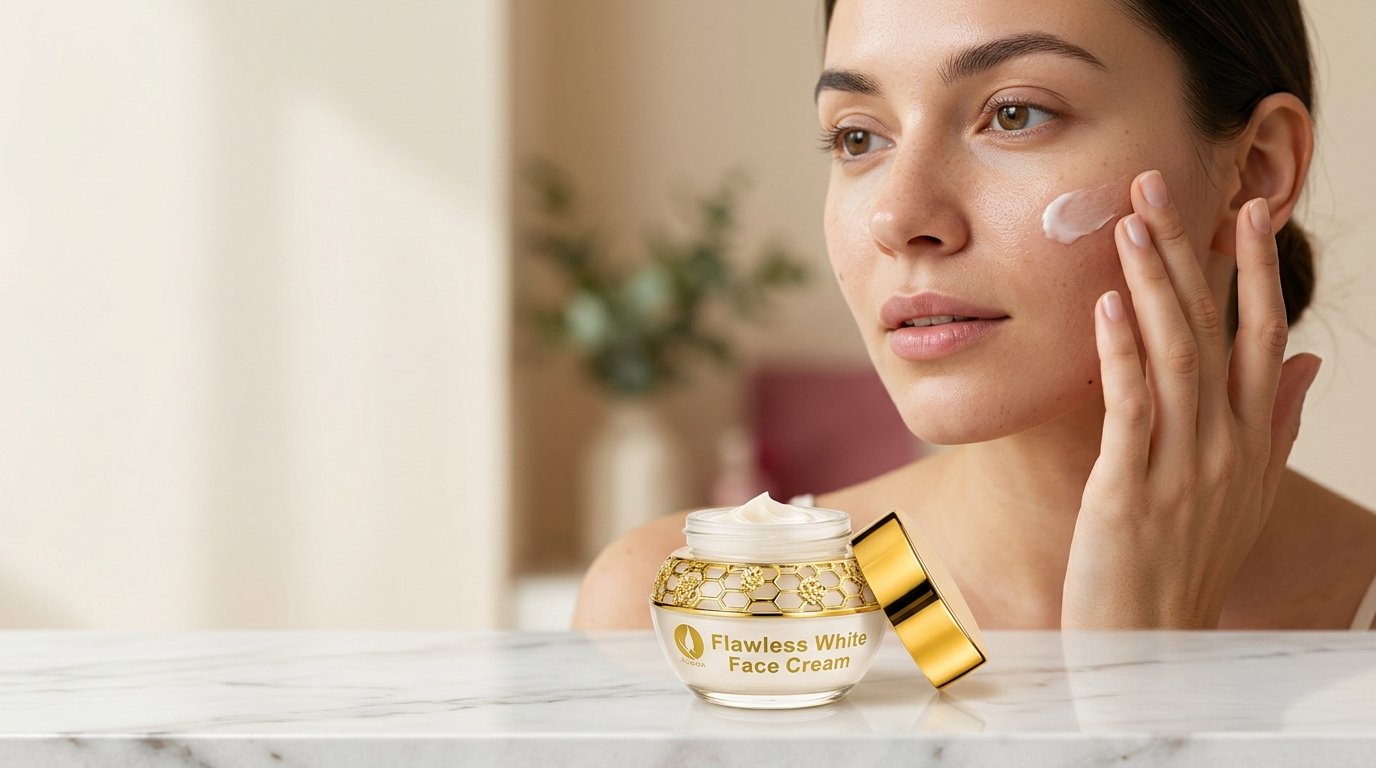
Brightening face cream being applied to cheek
  1. 1

    Cleanse your skin thoroughly and pat dry before applying, so the cream can absorb properly.

  2. 2

    Apply a pea-sized amount to your face and neck, spreading it evenly across the skin.

  3. 3

    Massage it in using gentle, upward and outward motions until it is fully absorbed.

  4. 4

    Use both morning and evening as part of your regular routine for the best results.

  5. 5

    In the morning, follow with SPF over your moisturiser, since brightening actives can increase your skin's sensitivity to the sun.